Instigating Rage @ the RNC
The Day the Music Stopped
It was September 3rd 2008, the same week I’d finished producing a three-day sustainability street fair at the Democratic National Convention in Denver, CO. We packed our tents, solar stages, buses, and carnival gear and drove through the night to St. Paul, Minnesota, to do it again, this time at the Republican National Convention.
We didn’t sleep. We didn’t plan to.
I was 26 and running on adrenaline, conviction, and a kind of chaos that somehow always bent toward purpose.
The 2008 Republican National Convention (RNC) was a highly charged political event held in St. Paul, Minnesota, marked by the significant contrast between the Democratic National Committee (DNC) and the RNC's approaches to the presidential race. While the DNC nominated Barack Obama, advocating for change and progressive values, the RNC nominated John McCain, emphasizing conservative principles and policies
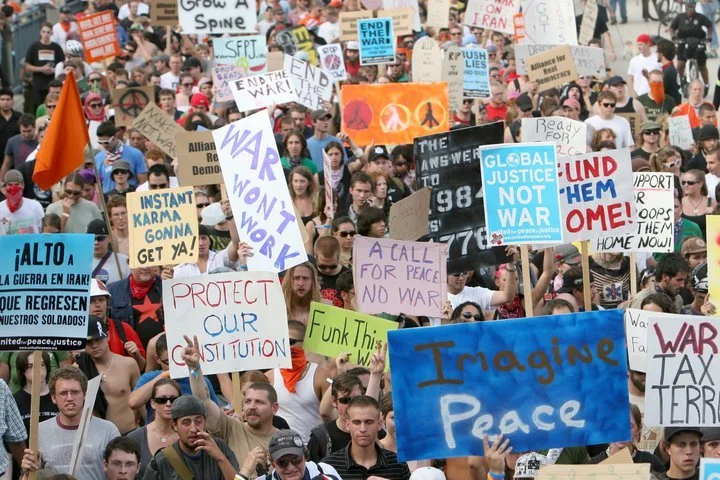
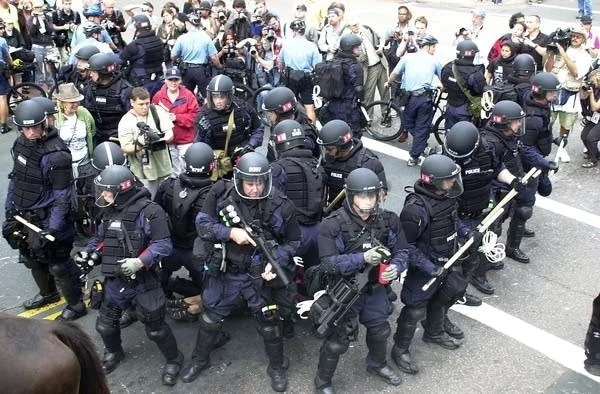
St. Paul was tense when we arrived. The Iraq War was raging. Protesters filled the streets. Riot police lined every block, black armor glinting in the August sun. Helicopters hovered overhead. You could feel the paranoia.
But we had permits. We had partners inside the RNC. And amidst a nation divided by war and policy, we orchestrated a beacon of expression and resistance: I co-produced Ripple Effect, a full-day sustainability festival on the Capitol Mall, the only officially sanctioned event within sight of the Republican National Convention.
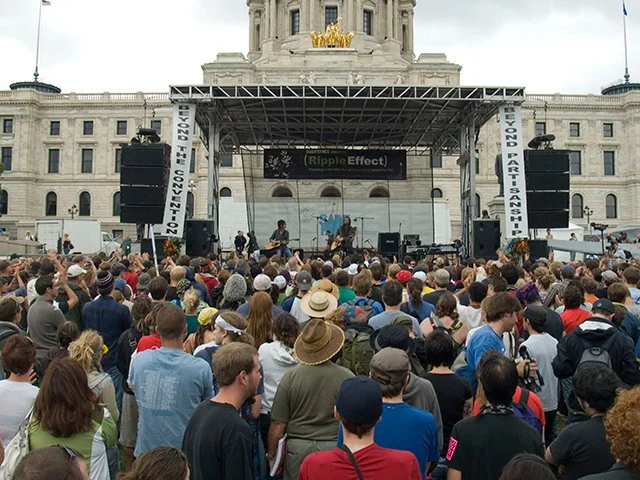
Ripple Effect was more than a concert - it was a statement, a rebellion in the form of music and solidarity. Set against the backdrop of the Capitol Mall, our event stood out as the only festival within sight of the RNC, serving as both a literal and figurative counterpoint to the convention's rigid atmosphere.
We built a playground of possibility: solar-powered stages, puppet parades, kids’ activities, art tents, and a line-up that read like the conscious soundtrack of an era: Michael Franti, Dead Prez, Anti-Flag, Matisyahu, Hot Buttered Rum.
It was family-friendly, inclusive, beautiful. A literal oasis in a city bracing for conflict. But the true test of our resolve came when we decided to secretly book Rage Against the Machine, known for their provocative performances and radical politics.
We had two hours left on our sound permit, signed by the mayor himself. That’s when we brought out our “special guest” - Rage Against the Machine. They weren’t on the poster. They weren’t in the press release. They were our secret, a nuclear act of rebellion wrapped in legal documentation.
Within minutes, the crowd swelled from hundreds to thousands. And just as quickly, the police surrounded the field - 400 riot cops, full tactical gear, shoulder to shoulder. Rage barely began their set before the authorities made their move.
Behind the stage, a cluster of men in suits and uniforms - Secret Service, State Police, Riot Command - stormed in, ordering us to stop the show immediately. We stepped in front of them and held out the permit. “We’re within our rights. The mayor signed it.” But they didn’t care. One officer walked to the generator, the heart of our power, and yanked the main line out by hand. The stage went silent. The crowd froze.
Fear rose in my chest. But we huddled with Rage’s management, and someone - maybe me, maybe them - said, “Get the bullhorns.” We found three.
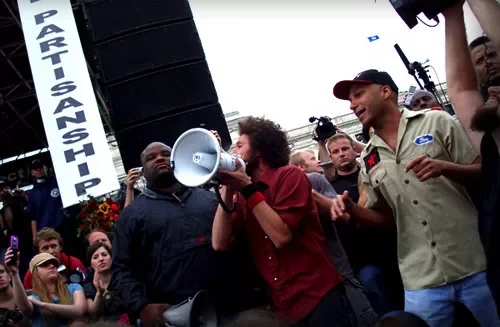
The band’s bodyguards carried them to the front of the stage. Zack de la Rocha raised one and told the crowd to sit. Five thousand people dropped to the ground in unison, the most peaceful act of defiance I’ve ever seen. Then after a fiery verbal assault on the leaders inside the RNC, Rage started their set again. This time Acapella. Bullhorns blaring.
The final song, "Killing in the Name," its chorus a defiant refusal to conform - “Fuck you, I won’t do what you tell me.” The lines echoed - over and over. With a field of fists in the air, 5000 voices screaming truth into the armor of the state. When the song ended, Zack pointed toward the street. “Let’s go!”
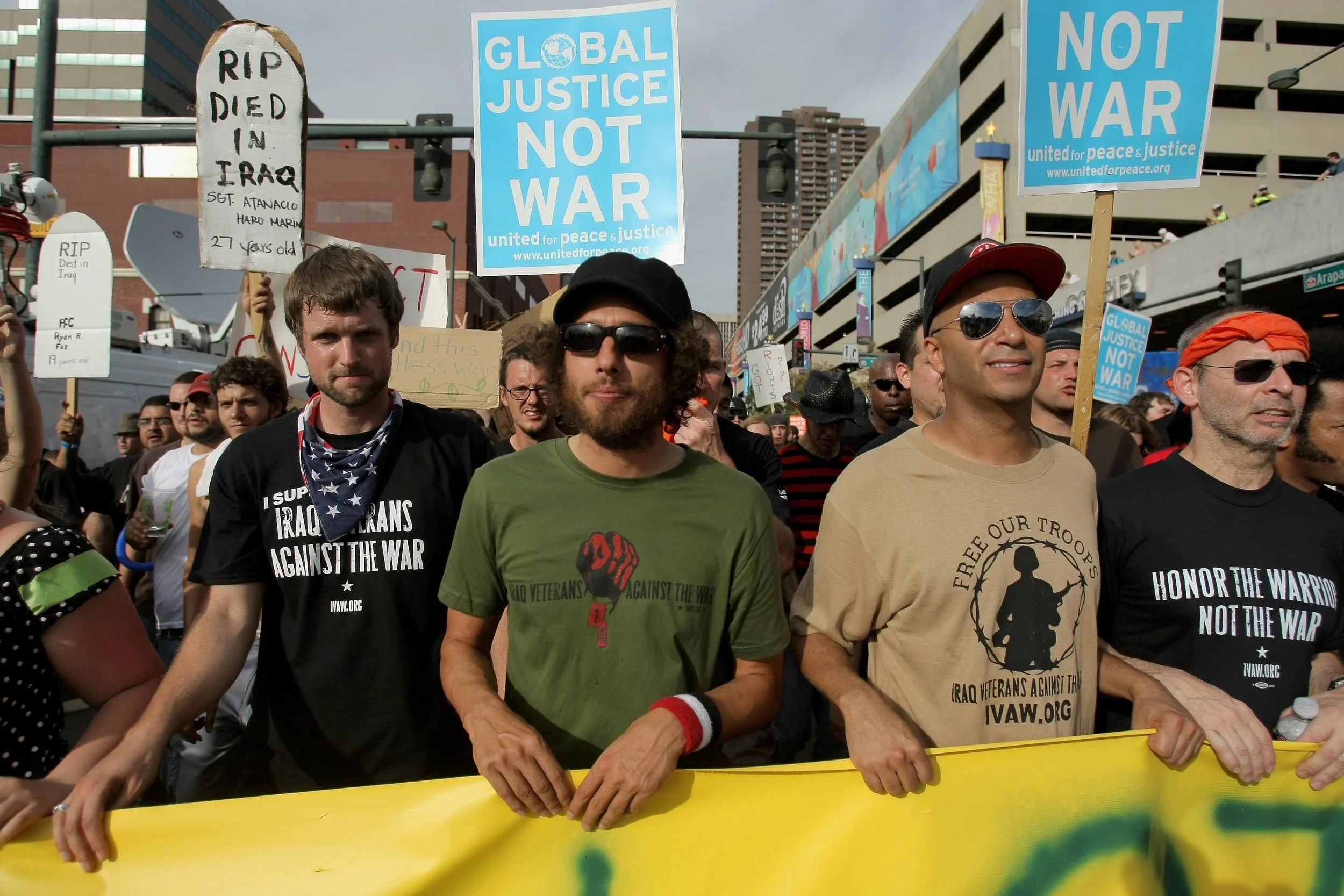
The band led the crowd off the field and straight into downtown St. Paul, merging with a simultaneous homeless rights march of nearly 10,000 people. Two rivers of resistance colliding. Blocks later, riot police boxed them in. Tear gas filled the air. Windows shattered. The city erupted.
Back at the field, we were surrounded by riot police. The head of command found me, red-faced, shaking with anger. He looked me dead in the eye and said, “If you’re not out of here in five minutes, I’ll make you leave.”
We packed our entire festival - stages, tents, the Moroccan dome, the carnival games, everything - in record time. I remember thinking, if we have to drag it or burn it, we’re leaving.
The day had started with hope and ended in a hastened retreat, a poignant reflection of the turbulent political climate of the time. We drove off into the night, exhausted, covered in dust, half terrified, half high on the realization that we had just been part of something that would outlive the headlines.
The 2008 Republican National Convention and our festival, Ripple Effect, captured a rare collision of music, politics, and public will. It proved that art can challenge authority, unite strangers, and turn frustration into collective action.
Looking back, being a part of orchestrating Rage Against the Machine’s surprise performance was both audacious and miraculous. It exemplified the belief that music has the power to transform, to challenge, and to unite. For me, and everyone else at the event, it was a reminder that creativity, when wielded with courage, can pierce even the most fortified walls of power.
It wasn’t just a concert or a protest. It was the visible pulse of a generation learning to use culture as a weapon and community as a shield.
That day wasn’t chaos for chaos’s sake. It was systems meeting story. The culmination of everything I’d built: the Veg-E-Bus, the Sustainable Living Roadshow, the Live Earth connections, the DNC partnership - all converging into one electric moment where music, activism, and politics collided.
It was proof of what I’ve come to call the Ecosystem of Change, that the smallest decisions, the wildest risks, the spontaneous acts of courage, all link together across time to form the architecture of impact. The Carson Paradox lives in that contradiction, between chaos and coordination, faith and fury, belief and execution.
That day, we didn’t just stage a show.
We staged a moment that showed what happens when you refuse to stay silent and the world finally listens.